
EduBox: an autonomous smart station
Sofiia Skazko Inventor · Grade 11
TECHNOLOGY / SOFTWARE / APPS · 2026

EduBox: an autonomous smart station.

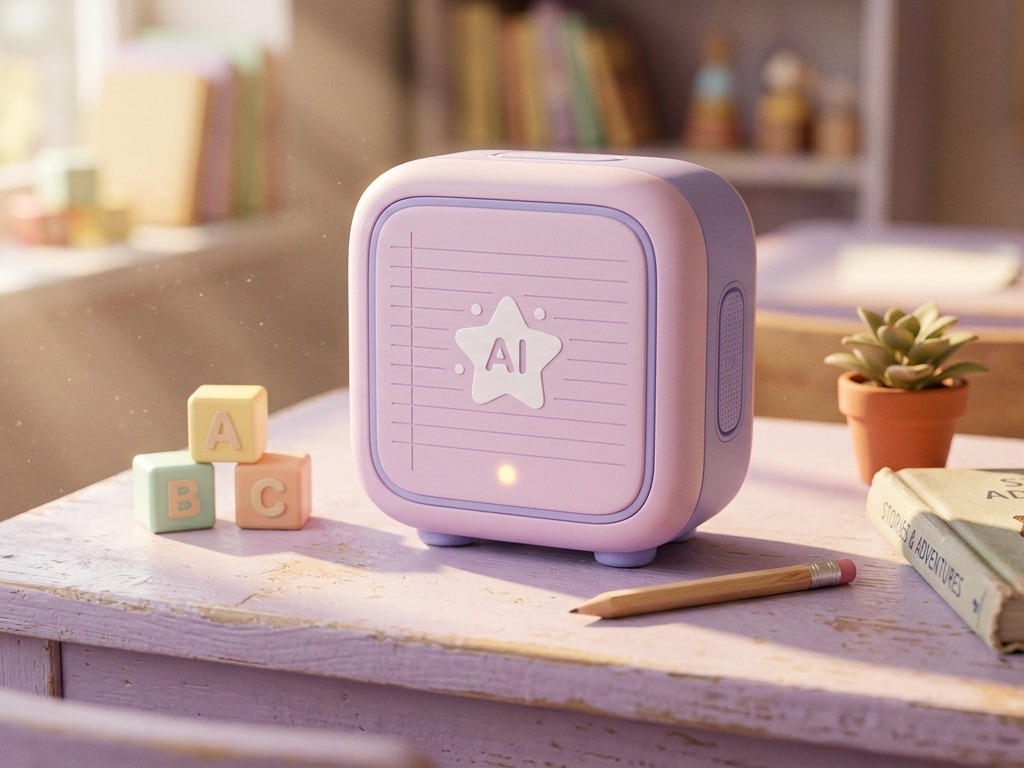
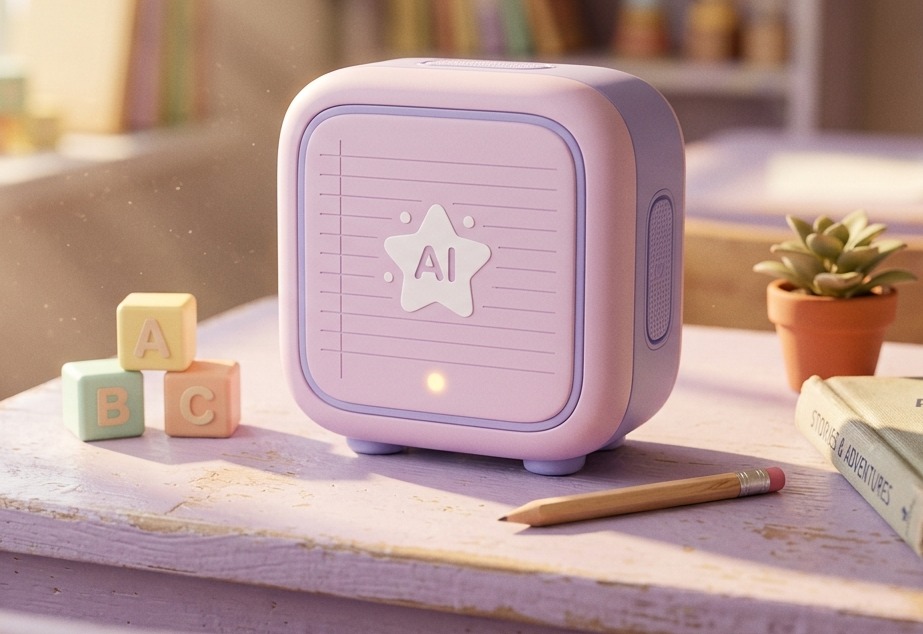
"EduBox" is an autonomous smart station for shelters that creates a local learning ecosystem and distributes Wi-Fi without internet access

0
The problem

Why Sofiia Skazko created the EduBox: an autonomous smart station.

I created EduBox not because "it was required for the competition." Last year I did an internship in a kindergarten group. I watched how the children behaved. And I noticed: children fall into three groups. Some are active — they need play. Others are calm — they need quiet. Others are curious — they need questions. I realized: one approach for everyone doesn't work. And there was no adult nearby who could give each child what they needed. Then I learned about children in shelters. About areas where disasters destroy networks. About how education stops along with the internet. And I thought: why should knowledge depend on a cell tower? Why should support be a luxury? That's how EduBox was born. It's an autonomous station based on Orange Pi and the Microsoft Phi-3 model. It doesn't need the internet. It broadcasts local Wi-Fi. The child connects from a smartphone and talks with one of nine characters — depending on their psychotype and grade. The character doesn't fully replace the teacher. It gives the warmth that's missing. And it does no harm — it doesn't dwell on topics of death, doesn't answer dangerous questions, and redirects to an adult. That's why I'm creating a place where a child can tell the truth. And not be punished for it. Disasters can stop a network. But not education. Not warmth.https://helpful-zuccutto-2eae10.netlify.app/

If the school cannot come to the child, then we will bring it to the child.

— Sofiia Skazko
The invention

How the EduBox: an autonomous smart station works.

The operating principle of “EduBox” is based on the concept of Edge AI — autonomous computing without internet access. The heart of the station is an Orange Pi Zero 3 microcomputer with a 256 GB memory card, powered by any power bank. The student turns on the device, and the box automatically starts broadcasting a local Wi-Fi signal within a 50-meter radius. Schoolchildren connect to the network from their smartphones. A global internet connection is not required — the radio channel links the gadgets only to the station itself. A web portal with textbooks based on the curriculum of the Ministry of Education and Science of Ukraine opens in the child's browser. The user selects their grade and one of three interactive characters to choose from, adding variety to learning and reducing stress. The main innovation is the built-in artificial intelligence based on the optimized Microsoft Phi-3-mini language model. All computations are performed locally on the board's processor. When a child writes to their chosen character, the AI instantly processes the request inside the box, adapts its speech style to the character, explains rules and generates tests. The device has huge potential for global scaling for use in areas of natural disasters, such as tornadoes, hurricanes or floods, where the elements completely destroy communication lines. The memory architecture can easily be expanded to 512 GB via an additional USB port to load textbooks in any language in the world. At the same

True autonomy is when smart solutions do not need clouds or global networks.

— Sofiia Skazko
In numbers
1,30€Casing
1,7€Electronics
12,50€Processor board
11.00€Memory
Community

0 comments.

Sign in to join the conversation.

Are you a student inventor?

If you have an idea to solve a real problem in your community, we want to hear from you.